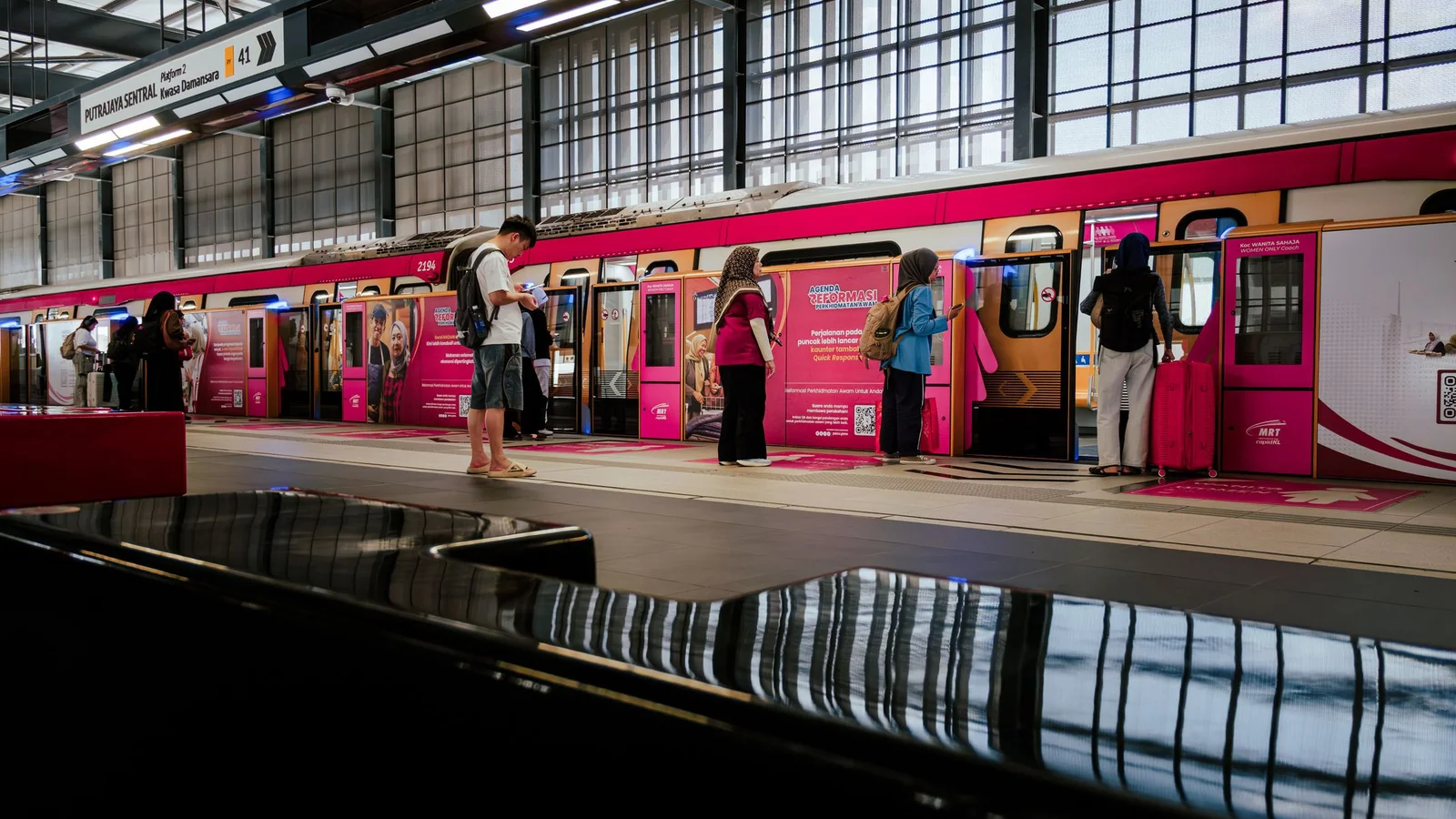
Yes—you can build a good life in Kuala Lumpur without owning a car. But where you rent matters more than whether the district looks central on a map. An apartment close to the right rail line, with a usable walk to groceries and your workplace, can save you daily frustration. A cheaper condominium advertised as “near MRT” can leave you paying for rides just to reach the station.
If you're moving to KL and don't yet know where to look, start here: KL Sentral/selected parts of Brickfields for connections; KLCC or Bukit Bintang for central-city errands and social life; TRX, Cochrane or Maluri if you want a useful combination of rail and shopping; selected homes by TTDI or the Kajang Line in Cheras for a potentially different residential tradeoff. None is an automatic winner. Your office, shift hours, family needs and exact building entrance can reverse the choice.
Which part of KL fits your life?
These are shortlisting suggestions, not a ranking of whole neighbourhoods. Station names and interchanges are grounded in MRT Corp's Kajang Line, Putrajaya Line and the Rapid Rail network. The lifestyle tradeoffs are practical editorial assessments, not measured neighbourhood scores or guaranteed rental prices.
| Start looking around | Best first fit | Real advantage | Main compromise |
|---|---|---|---|
| KL Sentral / selected parts of Brickfields | Someone travelling across several rail systems or often using the airport link | Major transport hub; useful for changing lines and getting out of KL | A listing in “Brickfields” may still have an unpleasant walk to the right station entrance; inspect street crossings and noise |
| KLCC / Persiaran KLCC / Ampang Park | Central-city office worker wanting shops, dining and many destinations nearby | Kelana Jaya LRT and Putrajaya MRT options; KLCC Convention Centre documents pedestrian connections around the precinct | Don't assume every tower is beside a covered path; compare rent and building access |
| Bukit Bintang / Pavilion vicinity | Someone who values restaurants, shopping and frequent evening outings | Kajang MRT and Monorail access; the documented KLCC–Bukit Bintang pedestrian walkway is a real alternative to an outdoor trip | Busy streets, entertainment noise and building-specific walkability may outweigh convenience |
| TRX / Cochrane / Maluri | Worker or couple seeking a rail-linked base for work and practical shopping | TRX is a Kajang/Putrajaya MRT interchange with direct mall access; Cochrane and Maluri have useful retail-oriented station catchments | TRX towers, Cochrane streets and Maluri buildings are different micro-locations; compare each one, not one broad “TRX area” |
| Bangsar LRT / Abdullah Hukum / Kerinchi | Worker on the Kelana Jaya corridor or someone prioritising a particular office destination | Multiple named stations to search near, rather than a vague “Bangsar” or “Bangsar South” listing | Bangsar's popular cafes and residential streets are not synonymous with Bangsar LRT walking access; verify the actual address |
| TTDI station or Kajang Line stations in Cheras | Someone who prefers to compare more residential-feeling locations rather than defaulting to the centre | Specific stops such as Taman Tun Dr Ismail, Taman Mutiara and Taman Connaught make a rail-based shortlist possible | An address deep inside TTDI or Cheras may rely on feeder buses or ride-hailing; test the road crossing and last kilometre |
A useful counterexample: Mont Kiara or Desa ParkCity. They may appeal for particular schools, restaurants or a family-oriented lifestyle, but don't rent there on the assumption that a nearby LRT/MRT station is an easy default walk from your door. Treat them as “possibly car-free with planned rides”, not automatic rail-first neighbourhoods. Your exact building, available feeder service, children's school and ride-hailing budget decide whether it works. A pleasant area to walk within is not always easy to leave without a car.
Three starting shortlists instead of one generic “best area”
I work near KLCC and want to go out after work. Start with buildings genuinely connected to KLCC/Persiaran KLCC, Bukit Bintang and a practical Kelana Jaya Line origin. If you value calm evenings, a quieter building on a direct line may beat living above nightlife. The KL Convention Centre's official directions document a 1.7-kilometre covered KLCC–Bukit Bintang walkway and the tunnel from Suria KLCC; they do not mean every apartment in either district has a covered walk all the way home. Check the actual access and walkway opening hours.
I work around TRX, want groceries nearby and don't need nightlife at my door. Compare a real address at TRX with one near Cochrane or Maluri, plus a Kajang/Putrajaya Line station that allows a simple journey to your job. The Exchange TRX confirms a direct pedestrian connection from Tun Razak Exchange MRT to its mall. MRT Corp also lists Cochrane and Maluri on the Kajang Line. A connected mall is a useful errand anchor—not proof there is a supermarket, clinic or affordable everyday shop within walking distance of your building. Verify the ones you will actually use.
I have a family or want more room for the money. Compare two real listings near named rail stations in Cheras, TTDI or the Kelana Jaya corridor, but start from your child's actual school and partner's workplace. A home with a straightforward rail commute for one adult may still require two car trips every school day. If those trips are unavoidable, write them into the budget before calling it car-free. Avoid assuming all of a large neighbourhood has the same footpaths or train access.
What will ordinary life look like without a car?
Commuting is only one part of living somewhere. Picture an uneventful Tuesday: you need groceries, medicine and dinner; your delivery is delayed; it's raining; you have to collect something bulky. Does the address still work?
On each shortlist, find one ordinary grocery option, one pharmacy, a routine clinic, a place to buy a simple meal, and your usual leisure destination. Count which are reachable on a comfortable, safe walk without crossing a road you would avoid at night. A glamorous mall is convenient for some errands but may not replace the low-cost local shop you actually want. A park on the district map isn't helpful if the route to it has no safe crossing.
The KLCC precinct has documented pedestrian tunnels and a walkway, while TRX has a documented rail-to-mall connection. These are genuinely valuable micro-location advantages. Elsewhere, particularly around major roads, do not translate “800 metres from station” into an automatically pleasant walk. Visit the correct entrance, watch how pedestrians cross and check for continuous pavement, stairs and exposed stretches.
For a household with children, older relatives or mobility needs, check the entire accessible path: building lift, pavement, station entrance, platform transfer and destination exit. MRT Corp lists accessibility facilities at stations, but that is not a guarantee that a specific lift is working today.
The rent-versus-transport calculation most listings leave out
A lower rent does not always give you a lower monthly cost. And not every pass advertised as RM50 is available to a newly arrived foreign resident.
Prasarana's Rapid Bulanan information identifies a 30-day Rapid KL network pass for both Malaysian and non-Malaysian users. Its December 2025 published FAQ, indexed on the operator's site, lists RM150 for Rapid Bulanan, while My50 at RM50 is restricted to eligible Malaysians with MyKad/MyTentera. That FAQ was not directly retrievable as a full PDF during this review; confirm the current fare, eligibility, card and included services at a Rapid KL counter before paying. In particular, the Rapid Bulanan offer is for specified Rapid KL rail/bus services, not an automatic KTM Komuter or KLIA airport-train pass.
Here is how to use quoted rental and ride prices, not invented city averages:
| Hypothetical monthly choice | Apartment A: near your daily rail route | Apartment B: cheaper rent, needs connecting rides |
|---|---|---|
| Quoted rent | RM2,800 | RM2,350 |
| Illustrative Rapid Bulanan assumption | RM150 | RM150 |
| Illustrative ride-hailing: A four rides, B twenty-four rides, each RM25 | RM100 | RM600 |
| Illustrative monthly total | RM3,050 | RM3,100 |
These are arithmetic examples, not real KL rent quotes, average Grab fares or a promise that the pass still costs RM150. Both homes require an actual listing and travel quote before comparison. Here, B looks RM450 cheaper in the ad yet finishes RM50 more expensive because of the last-mile rides. You could reach the opposite result if B has a useful feeder connection or you rarely travel: calculate the rides you will genuinely take, not the rides that make one flat “win”.
If you commute five days a week, estimate actual journeys to work and back, plus regular errands and late returns. Compare monthly cash leaving your account (rent, pass/individual fares, connecting rides, additional building charges), separately from the upfront deposit and moving costs. The Malaysia rental guide covers that second, contract-related decision.
Which transport pass—and what about late shifts?
Rapid KL's Light Rail Transit (LRT), Mass Rapid Transit (MRT) and Monorail cover many urban journeys. KTM Komuter, operated by Keretapi Tanah Melayu Berhad, has separate published timetables and fare arrangements. Don't assume all lines shown on one route map accept the same pass.
A weekday office worker might get good value from a Rapid pass. Someone who works from home and takes a few rail trips a week may spend less on individual fares. Compare the official current pass conditions with the actual number of journeys. For KTM, use KTMB's weekday and weekend timetables; for Rapid KL, verify the current route, operating hours and service alerts on the operator's site. The last train from the station where you change lines matters more than a generic “rail runs until midnight” claim. No trip-specific first/last train is promised here.
For someone ending shifts late, estimate the number of evenings when public transport will not get them all the way home. Ask whether there is a reliable alternative with a known pickup/drop-off point. If a job is in the wrong direction from the shortlisted station, a district with more nightlife is not automatically safer or cheaper to get home from.
Try one real day before committing to a lease
You do not need a week of sightseeing. Compare two actual addresses in a structured half-day or two short visits:
- Morning: travel from each building's actual lobby to your workplace or school at the hour that matters. Include station entrances, changes, crossings and lifts.
- Late afternoon: walk to the ordinary grocery/pharmacy/meal options you would use three times a week, not just a landmark mall.
- Rain or night: inspect exposed paths, drainage and lighting when conditions permit. The Malaysian Meteorological Department documents year-round thunderstorms; this does not predict a specific flooded street. Never enter floodwater to test a route.
- Final comparison: write the full monthly rent-plus-transport figure and a reliable plan for a delayed train or late finish.
| Decision sheet | Apartment A | Apartment B |
|---|---|---|
| Exact building and usable station entrance | ||
| Actual work/school journey each direction | ||
| Everyday food, pharmacy and clinic without a car | ||
| Wet-weather and after-dark walking route | ||
| Transfers, last usable service and backup | ||
| Rent + rail/bus + repeat connecting rides | ||
| Deposit/one-off charges (separate from monthly) | ||
| Deal-breaker you found on site |
An apartment close to a station is a promising lead. An apartment that makes your ordinary week work without repeated paid car trips is the one worth renting. Pick two real buildings, trace one week's routine and make the decision from that evidence—not the neighbourhood name on an advert.